Man With Van Surrey Quays

Man With Van Surrey Quays offers practical removal support for home and business customers who need a straightforward way to move furniture, boxes and other belongings within London and beyond. The service suits smaller relocations, partial loads and item-by-item transport where a full lorry may be unnecessary. It is also a useful choice when you want hands-on help loading, carrying and arranging awkward items with care and attention.
For many moves, the appeal is flexibility. Our man and van service can be used for a single bulky item, a flat move or a short-notice collection that needs a vehicle and capable lifting support rather than a large-scale operation. If you are comparing options, you can read more about the core man and van service alongside the wider support available across our removal pages. A clear plan for what needs moving helps keep the job focused and efficient.
When you are ready to talk through your move, keep the details simple: list the main items, mention access issues such as stairs or narrow hallways, and note whether dismantling or reassembly may be needed. That is often enough to shape a sensible plan. Request a quotation when you want the next step to be costed properly, or use a plain enquiry if you prefer to confirm the basics first.
Home moving support for different property sizes
Home moves often need more than transport alone. We help with carrying furniture, loading boxes, securing delicate items and positioning everything so the vehicle load is stable and the journey can proceed with less risk of shifting. If the move includes a flat, studio or small house, a man with van setup can provide the right balance of capacity and flexibility without overcomplicating the day.
Our home moving service is relevant when you need a tidy, organised approach to domestic relocation rather than a large multi-vehicle operation. Some customers want help with one room’s worth of belongings; others need support with a modest household move where the priority is keeping the process manageable. The service can be adapted to the volume of items, the access at each property and the type of load being carried.
Common home-moving tasks usually include dismantling what must be reduced for access, protecting furniture edges, grouping fragile items away from heavier goods and making sure loading happens in a sensible sequence. These details matter because even a relatively small move can become awkward if the largest items are left until last. A little planning in advance helps everything fit together more smoothly on the day.
Commercial moves with careful handling

Commercial moves need a practical approach because office furniture, files, monitors and equipment often have different handling requirements. We can support business customers who need desks, chairs, cabinets or boxed materials moved with care, whether the job is part of a staged relocation or a single delivery between premises. The focus is on keeping the move organised and reducing avoidable disruption while items are in transit.
If you are comparing office-focused options, our office removals page explains the kind of commercial relocation support available, while commercial moves covers broader business transport needs. These pages are useful when the job involves workstations, stock or equipment rather than domestic furniture alone. Keeping the load clearly itemised helps avoid confusion and makes it easier to match the move to the right vehicle and lifting plan.
Businesses often benefit from a move that is split into manageable sections. Sensitive items can travel separately from bulkier furniture, and the most important equipment can be loaded in a deliberate order. Where access is tight, the move may need a careful approach to stairwells, lifts or loading bays. That is why commercial removals are best handled with clarity about what is moving, when it needs to move and how the destination should be approached.
Furniture pick-up and single-item transport
Not every job is a full relocation. Sometimes the main need is to collect a sofa, bed frame, wardrobe or appliance and move it safely from one address to another. A man with van arrangement is often a good fit for those situations because it combines lifting help with vehicle space, making it suitable for individual items that are difficult to move alone. This can also work well for purchases collected from sellers or shops.
Our furniture pick-up service is designed for that sort of focused transport job. It is useful when an item is too large for a car but does not require a full removals team. A careful pick-up can reduce the risk of damage to the item itself and to the surrounding property, especially where doorways, stair turns or shared corridors need extra attention. Bulky furniture often needs a steadier, slower approach than people expect.
When preparing a collection, it helps to confirm the item’s dimensions, whether it comes apart and whether anyone at either end can assist with access. If an item is fragile, heavy or oddly shaped, those details matter more than the brand or age of the piece. The aim is not simply to move it, but to move it in a way that keeps the task controlled from start to finish.
Packing, loading and protective handling
Strong packing makes a move easier to manage, but it does not need to be overcomplicated. Boxes that are sealed properly, furniture that is wrapped where needed and loose contents that are grouped by room all help the move feel more controlled. We can work with customers who pack themselves and with those who need extra support getting items ready before they leave the property.
Our packing and unpacking services can be a useful addition where time is limited or where you would prefer items to be organised more systematically. The service is especially relevant for breakables, mixed household contents and items that need to be separated before loading. Careful packing also makes unloading simpler because the right boxes can be placed in the right rooms without as much reshuffling at the destination.
In practical terms, good loading depends on balance, weight distribution and access. Heavier items usually belong lower down, while lighter and more delicate belongings need a more protected position. It also helps to keep a clear route to the vehicle so items can be moved without repeated handling. These are the sort of small decisions that make a man with van service feel calmer and more orderly.
Vehicle options and the kind of move they suit

Different moves call for different transport arrangements, even when the service is described in similar terms. Some customers need a smaller moving van for a handful of items, while others want a vehicle with enough space for a compact household load. The right choice depends on the number of items, their shape and whether the journey involves a straightforward drop-off or a more involved carry at either end.
If you are looking through the available transport pages, moving van, removal van and moving truck each point to a slightly different way of thinking about the job. For a leaner move with manageable volume, a van may be sufficient. For larger or heavier loads, more space can make the process simpler. The aim is to match the transport to the real task rather than overstate what is needed.
We also support customers who want a modest removal vehicle for repeated trips, staged loading or mixed loads that include furniture and boxes together. That can be useful where access, parking or timing makes a single oversized move impractical. Choosing the appropriate vehicle is less about labels and more about making sure the items fit safely, can be loaded properly and arrive in a condition you can work with.
Areas of support across removals and related services
Man with van work sits within a wider removal service, so it can be combined with other support where appropriate. Some customers only need transport, while others want a broader removals arrangement that includes carrying, loading and careful placement at the destination. The useful part is being able to keep the service proportionate to the job, without paying for more structure than the move actually requires.
For a broader overview, removals and removal services offer a general route into the different kinds of transport and moving support available. If you are comparing providers or trying to decide whether a dedicated removal company is needed, these pages can help frame the choice. They are especially relevant when the load is more varied than a single-item collection but still does not call for a large-scale operation.
Practical decisions matter here. A customer moving a few essential pieces may want a simple, direct arrangement, while someone relocating an entire flat may need a more structured approach to loading and sequencing. Good service planning keeps the focus on what actually needs moving, what can be dismantled, and what has to stay upright or protected. That keeps the move realistic and the transport more efficient.
About Surrey Quays
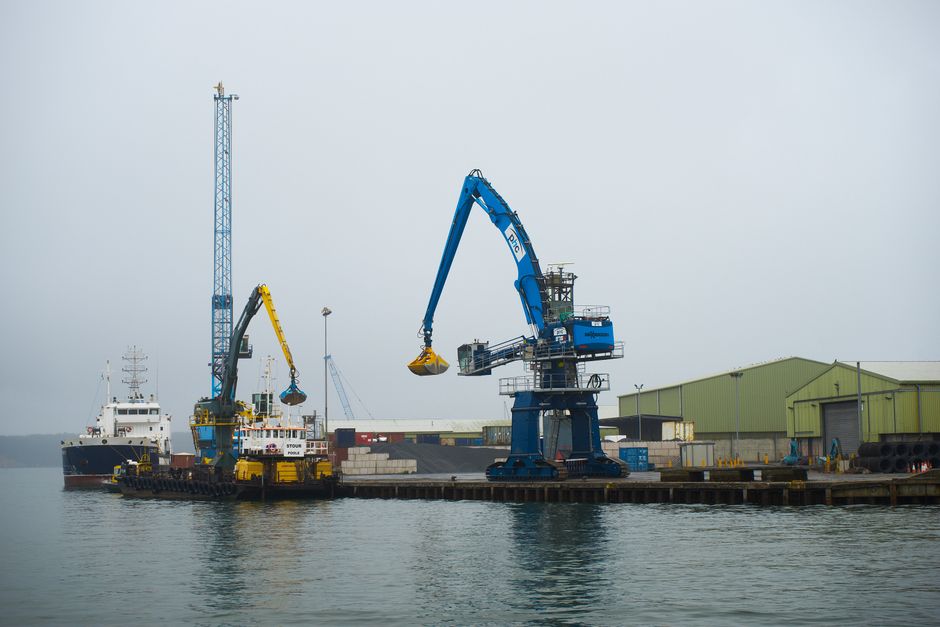
Surrey Quays is a district in south-east London within the London Borough of Southwark, close to Rotherhithe, Canada Water and the edge of the Thames. Its name reflects the area’s dockland past: the Surrey Commercial Docks once dominated the locality before gradual redevelopment reshaped the landscape. The modern district is now associated with residential blocks, waterside paths, retail space and transport connections rather than the working docks that gave the place its earlier identity. Canada Water, often treated as part of the wider area, acts as a focal point for movement through the district and links the neighbourhood to surrounding parts of London. The area’s built environment mixes newer apartments with remnants of an older industrial waterfront, creating a contrast between contemporary housing and the memory of port activity. Nearby green and open spaces, together with the waterways and dock basins, contribute to a setting that feels more open than many inner-London districts. Surrey Quays also sits close to cultural and leisure destinations around Rotherhithe and the river, so the locality is shaped by both everyday residential life and its historic relationship to trade, docks and regeneration.
How to plan a move without unnecessary stress
A sensible move usually begins with a short list of what is going, what needs protecting and what may need to be taken apart before loading. That information makes it easier to judge the right approach without overcomplicating the job. If a move includes only a few larger pieces, the task may be straightforward; if it includes a mixture of boxes, furniture and fragile items, the plan should allow for a more deliberate loading order.
Two points are especially useful when you are preparing details: first, tell us about access at both addresses, including stairs, lifts, parking distance and any tight turns; second, separate the items that are unusually heavy, fragile or difficult to carry. Our insurance and safety information explains the careful handling standards that support this kind of work, while sensible preparation from the customer side helps reduce unnecessary delays. Clear information early on makes the job easier to organise.
It is also worth deciding whether you want the move handled in one visit or in sections. Some customers prefer a single straightforward collection, while others need a phased approach around keys, access windows or building rules. Either way, the practical aim is the same: keep the items moving in a safe order, avoid confusion at the point of loading and make the destination easier to manage when the van arrives.
Pricing factors and quotation requests

Price depends on the practical shape of the job rather than on a fixed formula. The number of items, the distance travelled, the access at each end and whether any lifting or dismantling is needed can all affect the final figure. Time spent on site also matters, especially where parking is awkward or where the move involves several trips between a property and the vehicle. These are normal considerations in a man with van quotation.
If you want to compare a move with broader pricing information, pricing and quotes is the best place to begin. It helps you think through what should be included in the quote and what should be described clearly before a booking is confirmed. Where the move is more complex, a short explanation of the items and access conditions is usually more helpful than a long message with unnecessary detail.
For a smooth quotation request, keep the essentials together in one note: the collection and delivery areas, the main items, whether anything is fragile or especially heavy, and whether you need loading support. That gives a good basis for a practical response. If you want to move ahead, just send the details and ask for a quote, then use the result to compare the options available.
More on moving choices and service pages
Some customers arrive knowing they need a man with van arrangement, while others are still comparing related service pages and trying to decide how much support is appropriate. That comparison is useful because the moving industry uses similar language for different levels of help. A focused collection, a modest household move and a business relocation can all involve a van, but the planning behind each job may differ considerably.
The pages for man with van, man and van removals and removal company can help when you are weighing up those differences. They sit alongside more specific service routes and make it easier to understand how a simpler transport request compares with a more fully managed move. That is useful when you want to avoid paying for a service level that is more than the load requires.
Different customers need different levels of support, and the useful choice is the one that fits the move rather than the one that sounds largest. A compact service can be ideal for an item collection or a one-room move, whereas a broader removals arrangement may suit a fuller relocation. The right decision comes from matching load, access and timing to the available service rather than assuming every move needs the same setup.
Final steps and useful next actions

When the basic details are ready, the next step is usually simple. Confirm what is being moved, the start and finish locations, and whether the job needs loading help, careful wrapping or a particular vehicle size. That gives the move a clear shape and helps avoid last-minute confusion. If you have a preferred day or a narrow collection window, include that as well so the arrangement can be assessed properly.
For supporting information on policies and service standards, health and safety policy and terms and conditions are available for reference, while about us gives general background on the business site. These pages are helpful if you want a fuller picture of how the service is presented. The most important practical step, though, is still the quotation request: keep the move description concise, accurate and complete.
If you are planning a move in or around Surrey Quays, send through the main details and ask for a quotation today. The service is designed to be practical, flexible and suited to the kind of move you actually need, whether that is a single bulky item, a modest home move or a business collection. A clear request is the fastest way to begin.